


Miso soup is one of Japan’s most iconic comfort foods — a warm, savory broth that blends simplicity with deep, authentic flavors. Traditionally served with rice as part of a Japanese meal, miso soup has gained worldwide popularity thanks to its healthy ingredients and versatility. Whether you’re looking for a classic recipe or modern variations, miso soup is easy to prepare at home with just a few simple steps.
What Makes Miso Soup Special?
At its core, miso soup combines dashi (a Japanese stock) with miso paste (fermented soybean paste). The result is a nourishing, umami-rich broth that can be customized with a wide range of ingredients, from tofu and seaweed to vegetables and seafood. Rich in probiotics, protein, and minerals, miso soup is not only delicious but also a healthy addition to any diet.
Essential Ingredients for Authentic Miso Soup
Before exploring different recipes, here are the key ingredients you’ll need:
- Miso paste: White (shiro miso) for mild sweetness, red (aka miso) for stronger flavor, or mixed (awase miso) for balance.
- Dashi: Traditional broth made from kombu (kelp) and bonito flakes, though vegetarian options use kombu only.
- Tofu: Soft or firm, cut into small cubes.
- Wakame seaweed: Dried seaweed that softens when added to hot broth.
- Green onions: Freshly chopped for garnish.
Best Miso Soup Recipes to Try
1. Classic Tofu and Wakame Miso Soup
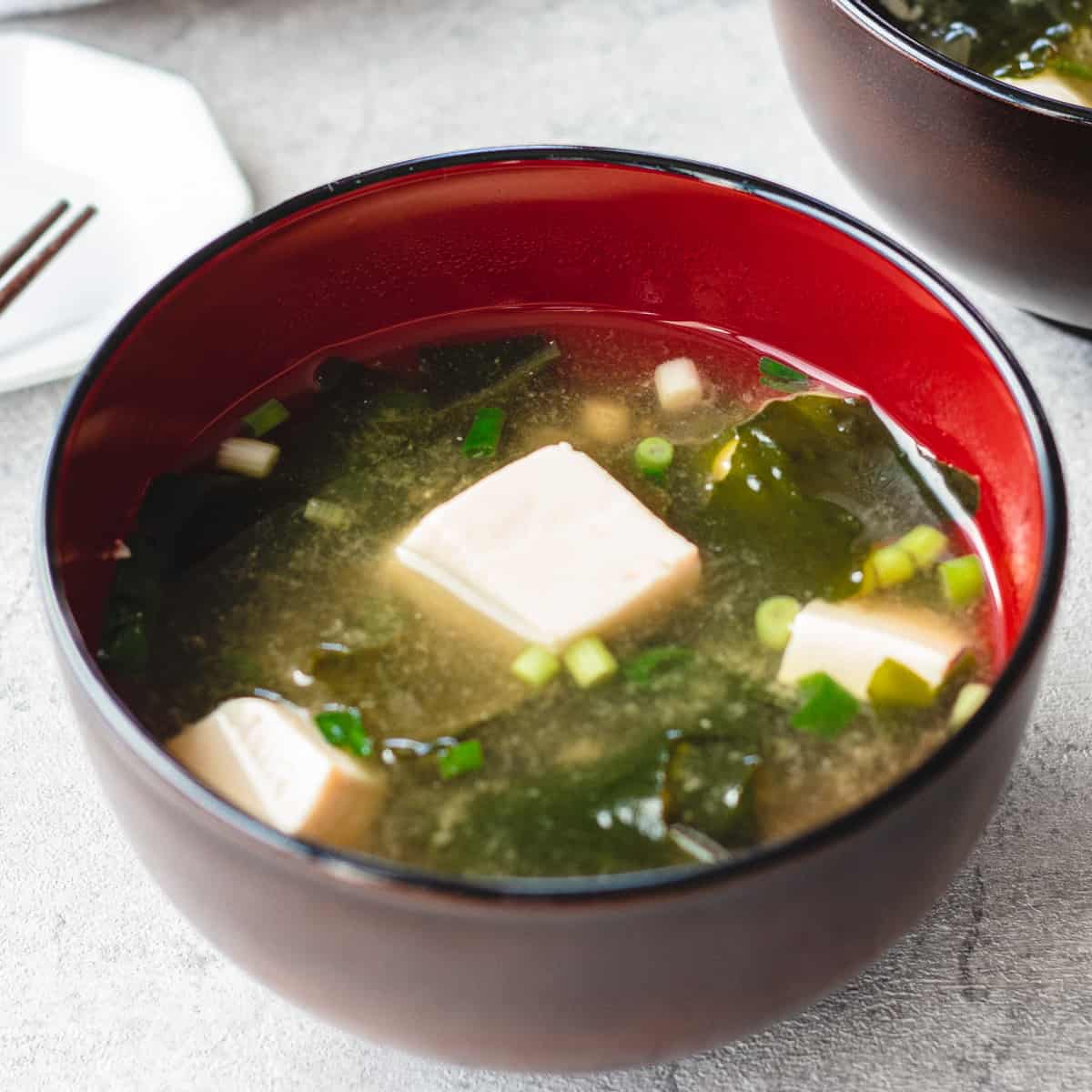
This traditional recipe is the base of Japanese miso soup.
-
Ingredients (2–3 servings)
-
3 cups dashi broth
-
2 tbsp miso paste
-
100 g tofu (cubed)
-
1 tbsp dried wakame seaweed
-
2 green onions (sliced)
Steps
-
Prepare dashi broth (homemade or instant).
-
Soak wakame in water for 5 minutes, drain.
-
Heat dashi over medium heat (do not boil).
-
Add tofu and wakame, simmer 2–3 minutes.
-
Dissolve miso in a small bowl with hot broth, return to pot.
-
Add green onions, serve hot.
-
2. Mushroom Miso Soup
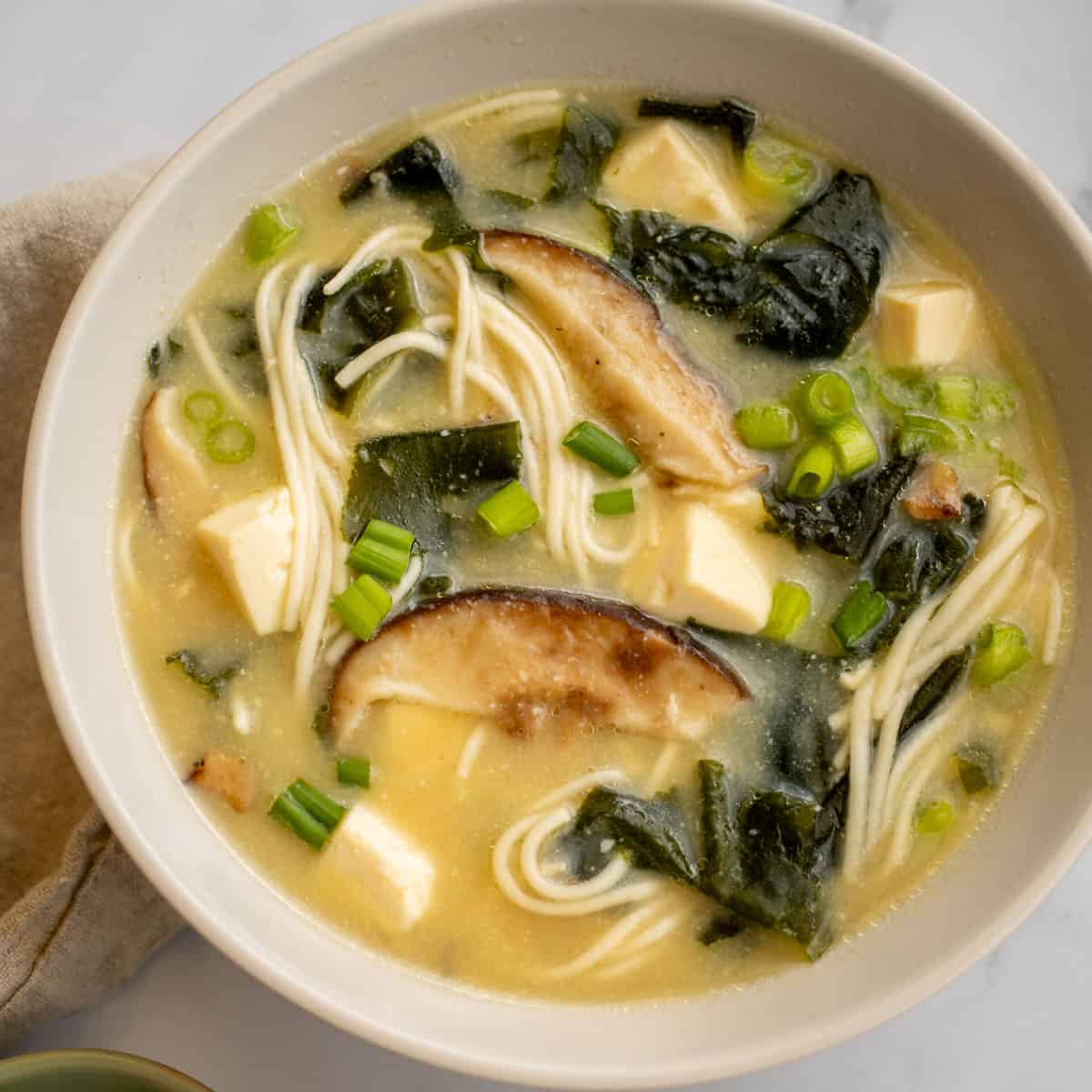
A hearty variation perfect for mushroom lovers.
-
Ingredients (2–3 servings)
-
3 cups dashi broth
-
2 tbsp miso paste
-
100 g mushrooms (shiitake, enoki, or mixed, sliced)
-
100 g tofu (optional)
-
A handful of spinach (optional)
-
2 green onions (sliced)
Steps
-
Prepare dashi broth.
-
Add mushrooms, simmer until tender (3–5 minutes).
-
Optional: add tofu and spinach, simmer lightly.
-
Dissolve miso in a bowl with some broth, stir back in.
-
Add green onions and serve immediately.
-
3. Salmon and Vegetable Miso Soup

A richer version that works as a light meal.
-
Ingredients (2–3 servings)
-
3 cups dashi broth
-
2–3 pieces fresh salmon (bite-size)
-
½ carrot (sliced thin)
-
½ daikon radish (sliced thin)
-
2 tbsp miso paste
-
2 green onions (sliced)
Steps
-
Prepare dashi broth.
-
Add carrots and daikon, simmer 5 minutes until tender.
-
Add salmon pieces, cook until fish is just done.
-
Dissolve miso paste in a bowl with hot broth, return to pot.
-
Add green onions, serve hot with rice.
-
4. Vegan Miso Soup with Spinach and Tofu
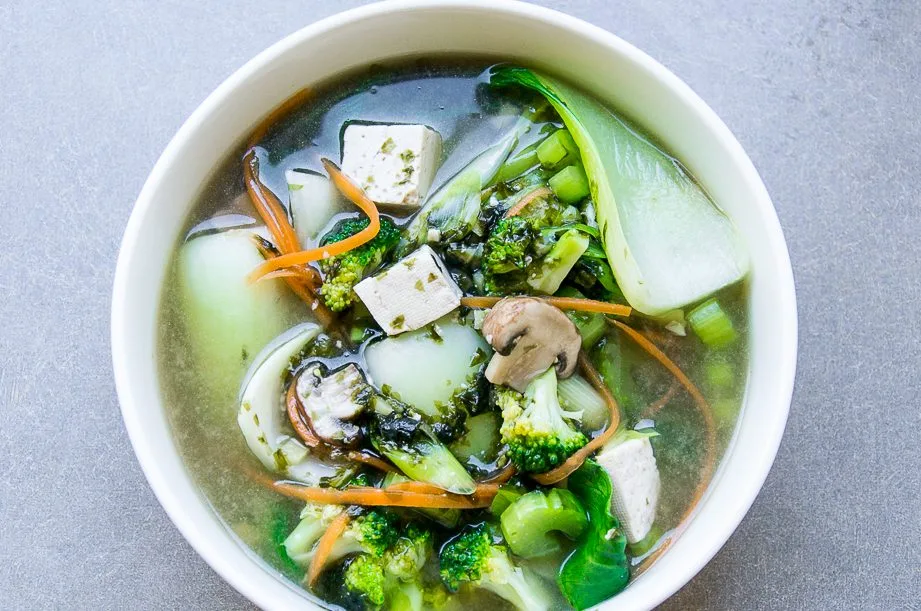
Perfect for plant-based diets.
-
Ingredients (2–3 servings)
-
3 cups kombu dashi (vegetarian stock)
-
2 tbsp miso paste (use vegan-friendly miso)
-
100 g tofu (cubed)
-
1 cup spinach leaves
-
2–3 shiitake mushrooms (sliced)
-
2 green onions (sliced)
-
1 tsp soy sauce (optional)
Steps
-
Prepare kombu dashi (or use vegetarian dashi powder).
-
Add shiitake mushrooms, simmer 3–5 minutes.
-
Add tofu and spinach, simmer lightly.
-
Dissolve miso in a bowl with hot broth, return to pot.
-
Optional: add soy sauce for extra umami.
-
Garnish with green onions, serve hot.
-
Tips for Making the Perfect Miso Soup
- Never boil miso paste: Add it at the end to preserve its probiotics and flavor.
- Adjust the flavor: Start with less miso and add more if you prefer a stronger taste.
- Experiment: Try seasonal vegetables, seafood, or noodles for creative twists.
Why You Should Make Miso Soup at Home
Homemade miso soup is fresher, healthier, and more customizable than restaurant versions. It takes less than 20 minutes to prepare, making it an easy choice for a quick appetizer, light meal, or side dish.