
Endometriosis is a chronic and often painful condition where tissue similar to the lining of the uterus (endometrium) grows outside the uterus. It affects millions of women and people assigned female at birth (AFAB) worldwide, yet it often goes undiagnosed for years. Raising awareness about endometriosis is crucial because early recognition and treatment can significantly improve quality of life and reproductive health.
What Is Endometriosis?
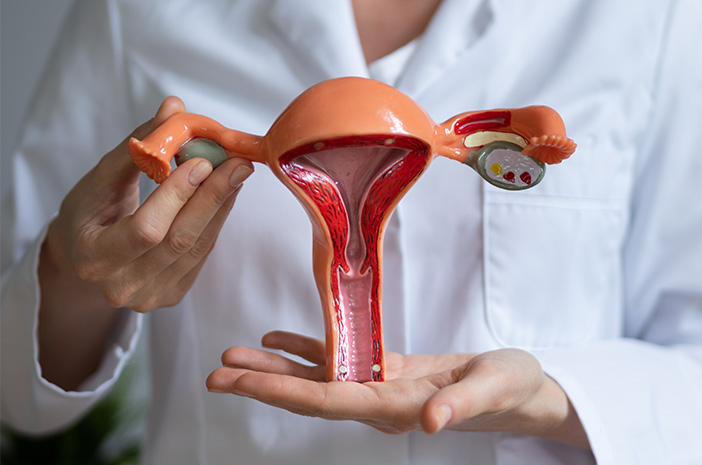
Endometriosis occurs when endometrial-like tissue develops in places such as the ovaries, fallopian tubes, pelvic lining, bladder, or intestines. Unlike the uterine lining, this tissue cannot exit the body during menstruation, leading to inflammation, scarring, and pain.
Although it is a benign (non-cancerous) condition, endometriosis is chronic and can interfere with daily activities, fertility, and overall well-being.
Prevalence and Risk Factors
Endometriosis is estimated to affect about 10% of women of reproductive age worldwide (World Health Organization). The condition is most commonly diagnosed in women in their 20s to 40s but can occur in teenagers as well.
Risk factors may include:
- A family history of endometriosis
- Early onset of menstruation (before age 11)
- Short menstrual cycles (less than 27 days)
- Heavy or prolonged menstrual bleeding
- Low body mass index (BMI)
- Never having been pregnant
Common Symptoms
Symptoms of endometriosis can vary in severity and may worsen over time. The most common include:
- Chronic pelvic pain, often before and during menstruation
- Painful periods (dysmenorrhea)
- Pain during or after sexual intercourse
- Heavy or irregular menstrual bleeding
- Pain during bowel movements or urination, especially during menstruation
- Fatigue and bloating
- Difficulty conceiving (infertility)
Some individuals with endometriosis may have few or no symptoms, which can delay diagnosis.
Causes and Contributing Factors
The exact cause of endometriosis remains unclear, but several theories and contributing factors have been identified:
- Retrograde menstruation: Menstrual blood flows backward through the fallopian tubes into the pelvic cavity.
- Hormonal imbalances: Estrogen plays a key role in stimulating abnormal tissue growth.
- Immune system dysfunction: The body may fail to recognize and destroy misplaced endometrial tissue.
- Genetic factors: Family history increases the likelihood of developing the condition.
- Cell transformation: Certain cells outside the uterus may change into endometrial-like cells under hormonal influence.
Stages of Endometriosis
Endometriosis is classified into four stages, based on the size, depth, and location of lesions:
- Stage I – Minimal: Small lesions or shallow implants with few adhesions.
- Stage II – Mild: More and slightly deeper lesions than Stage I.
- Stage III – Moderate: Presence of numerous deep lesions, ovarian cysts (endometriomas), and some adhesions.
- Stage IV – Severe: Large lesions, extensive adhesions, and often significant ovarian involvement.
The severity of symptoms does not always correlate with the stage; someone with mild disease can experience severe pain.
Complications
Endometriosis can lead to several complications if left untreated:
- Infertility: Up to 50% of women with endometriosis may experience difficulty conceiving.
- Chronic pelvic pain: Persistent pain can impact work, school, and personal relationships.
- Ovarian cysts (endometriomas): These cysts can rupture or cause further pain.
- Emotional and mental health challenges: Living with chronic pain can increase the risk of anxiety and depression.
Diagnosis
Accurate diagnosis often requires a combination of medical history, physical exams, and imaging techniques.
Common diagnostic methods include:
- Pelvic exam: To check for abnormalities such as cysts or tender areas.
- Ultrasound: A non-invasive scan to detect ovarian cysts or other pelvic masses.
- Magnetic Resonance Imaging (MRI): Provides detailed images of pelvic organs.
- Laparoscopy: A minimally invasive surgical procedure considered the gold standard for confirming endometriosis.
Early diagnosis helps in managing symptoms effectively and reducing the risk of complications.
Treatment Options
1. Medications
- Pain relief: Nonsteroidal anti-inflammatory drugs (NSAIDs) like ibuprofen help manage menstrual cramps and pelvic pain.
- Hormone therapy: Birth control pills, hormonal IUDs, or GnRH agonists reduce estrogen levels and slow the growth of endometrial tissue.
2. Surgical Interventions
- Laparoscopic excision or ablation: Removal or destruction of endometrial implants and adhesions.
- Hysterectomy: In severe cases where other treatments fail, removal of the uterus (with or without ovaries) may be considered.
3. Lifestyle Changes and Pain Management
- Regular exercise to improve circulation and reduce pain
- Heat therapy (heating pads or warm baths) to relax pelvic muscles
- Balanced diet rich in anti-inflammatory foods
- Stress-reduction techniques such as yoga or meditation
Treatment plans should be tailored to individual needs and discussed with a healthcare provider.
Living with Endometriosis
Managing endometriosis is often a long-term journey. Support from healthcare professionals, family, and support groups can make a significant difference.
Tips for living well with endometriosis:
- Keep a symptom diary to track triggers and flare-ups.
- Follow prescribed treatments consistently.
- Seek mental health support to cope with chronic pain.
- Join patient support communities for shared experiences and encouragement.
When to See a Doctor
Consult a healthcare professional if you experience:
- Severe pelvic pain that disrupts daily activities
- Painful or heavy periods that worsen over time
- Difficulty getting pregnant
- Pain during sexual activity, bowel movements, or urination
Prompt medical attention ensures timely diagnosis and appropriate treatment.
FAQs
1. Is endometriosis a lifelong condition?
Endometriosis is chronic but symptoms can be managed with treatment. For some, symptoms improve after menopause.
2. Can endometriosis cause infertility?
Yes, it can interfere with fertility, but many individuals with endometriosis conceive naturally or with assisted reproductive technologies.
3. How is endometriosis different from PCOS?
Endometriosis involves abnormal tissue growth outside the uterus, while PCOS is a hormonal disorder affecting ovulation.
4. Does pregnancy cure endometriosis?
Pregnancy may temporarily relieve symptoms due to hormonal changes but does not cure the condition.
5. Can endometriosis return after surgery?
Yes, there is a possibility of recurrence, which is why long-term management is essential.
6. Are there natural remedies for endometriosis pain?
While no natural remedy cures endometriosis, regular exercise, heat therapy, and anti-inflammatory diets may help alleviate discomfort.
7. Is endometriosis cancerous?
No, endometriosis is non-cancerous, but in rare cases, long-standing endometriomas may slightly increase the risk of ovarian cancer.
Conclusion
Endometriosis is a common yet often misunderstood condition that can significantly impact a person’s health, fertility, and quality of life. Awareness, timely diagnosis, and proper treatment are key to managing symptoms effectively.
If you suspect you have endometriosis or are experiencing related symptoms, seek guidance from a qualified healthcare professional.
Medical Disclaimer:
This content is for informational purposes only and does not replace professional medical advice. Always consult a qualified healthcare provider for diagnosis and treatment.
References:
- World Health Organization (WHO) – Endometriosis Fact Sheet
- Mayo Clinic – Endometriosis Overview
-
National Institutes of Health (NIH) – Reproductive Health